Tanzanite: Colour
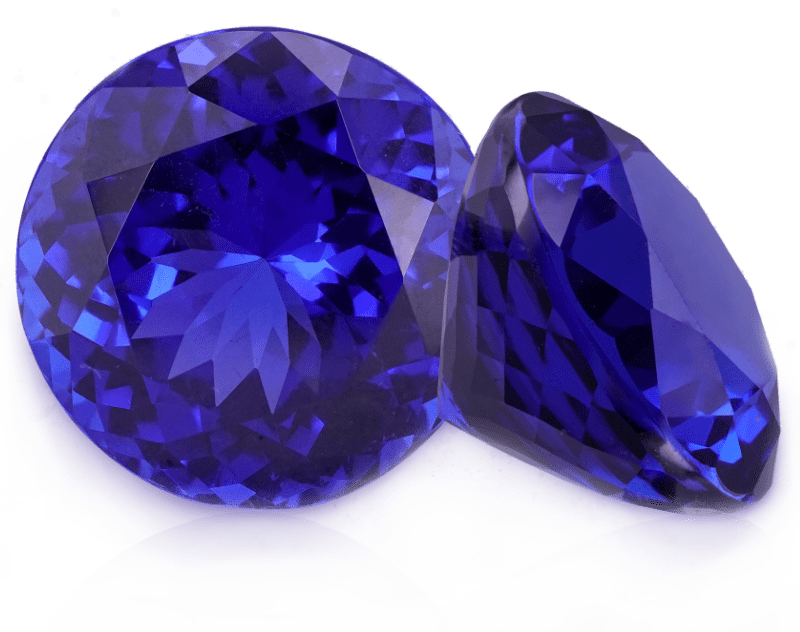
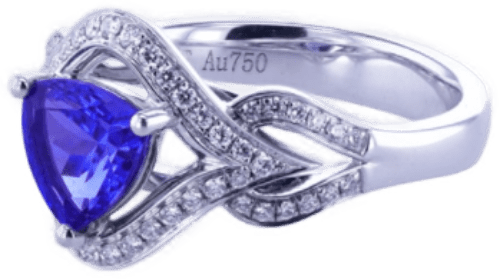
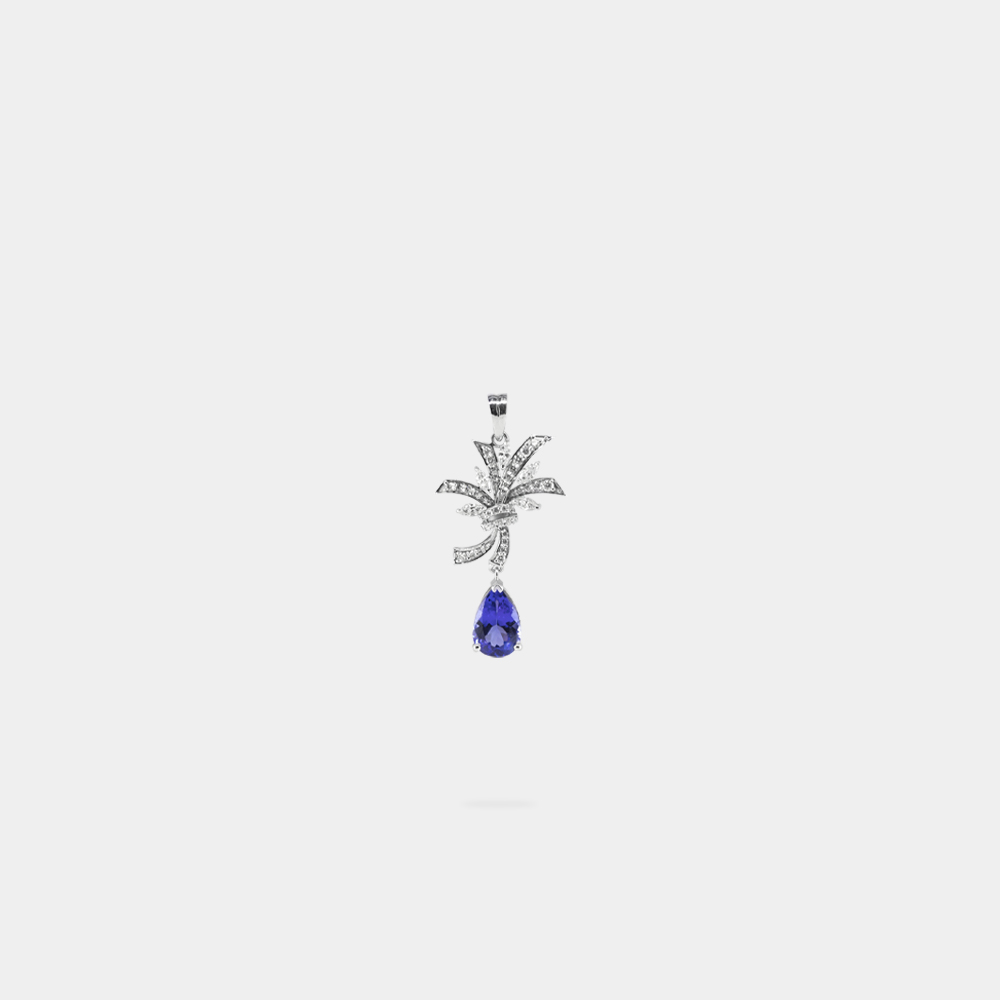
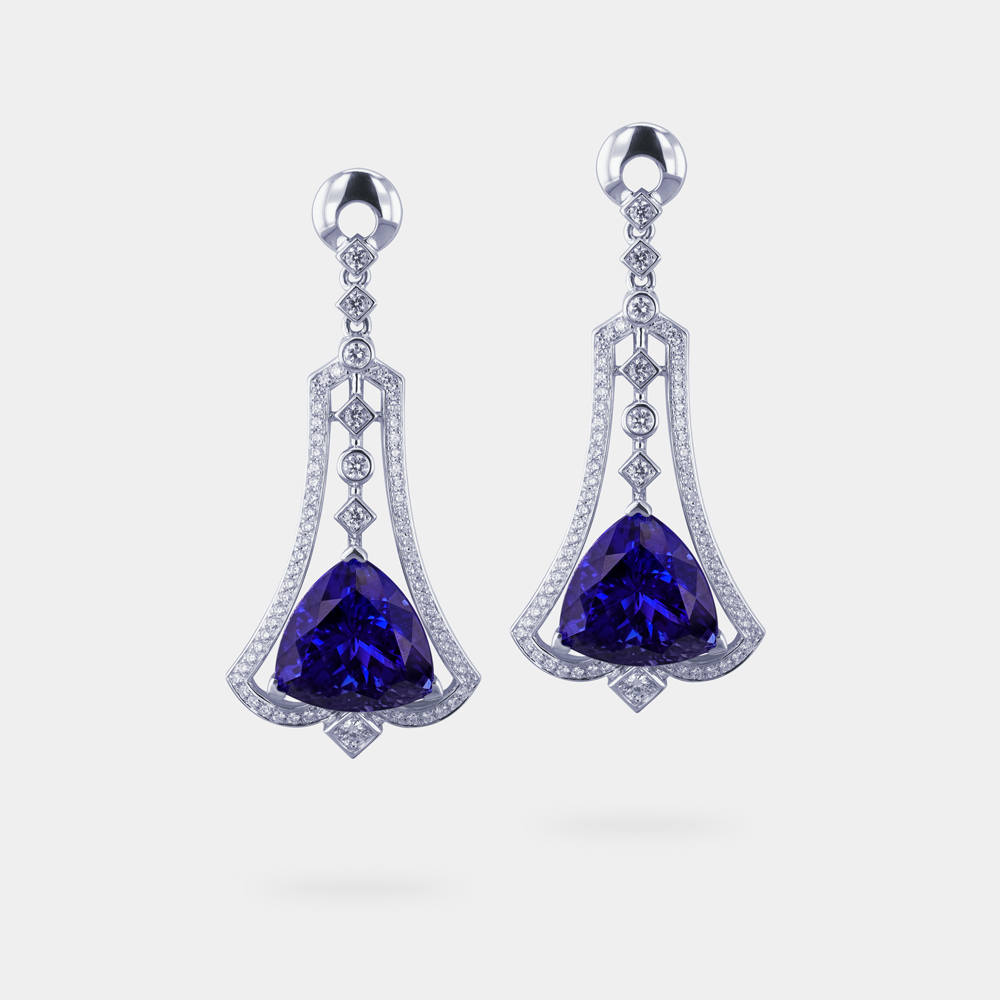
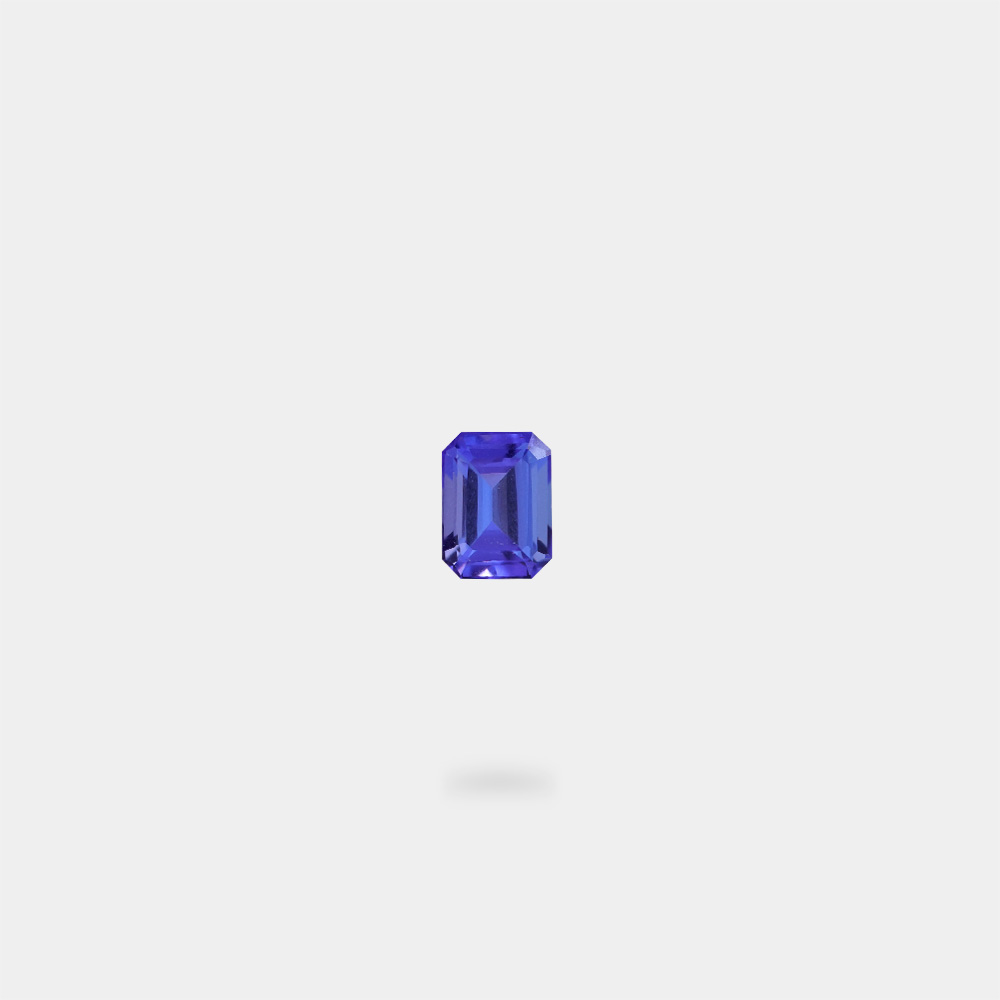
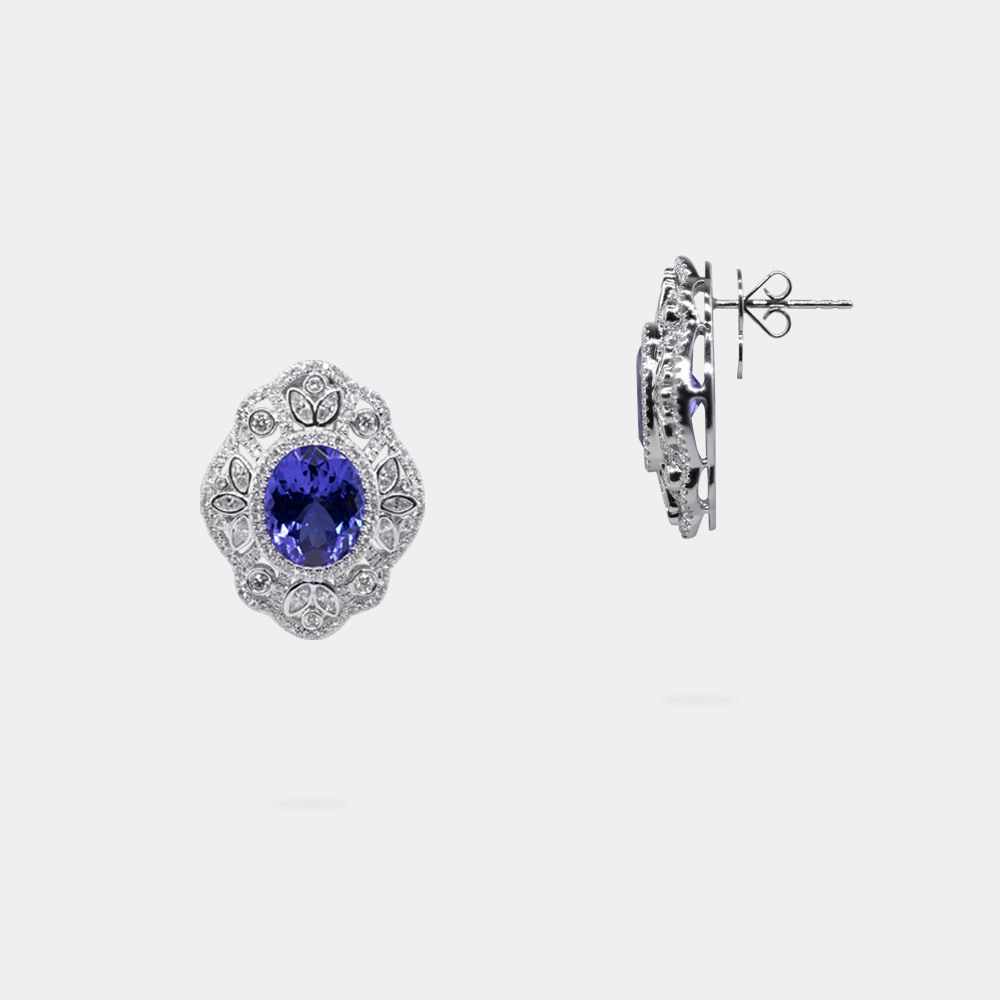
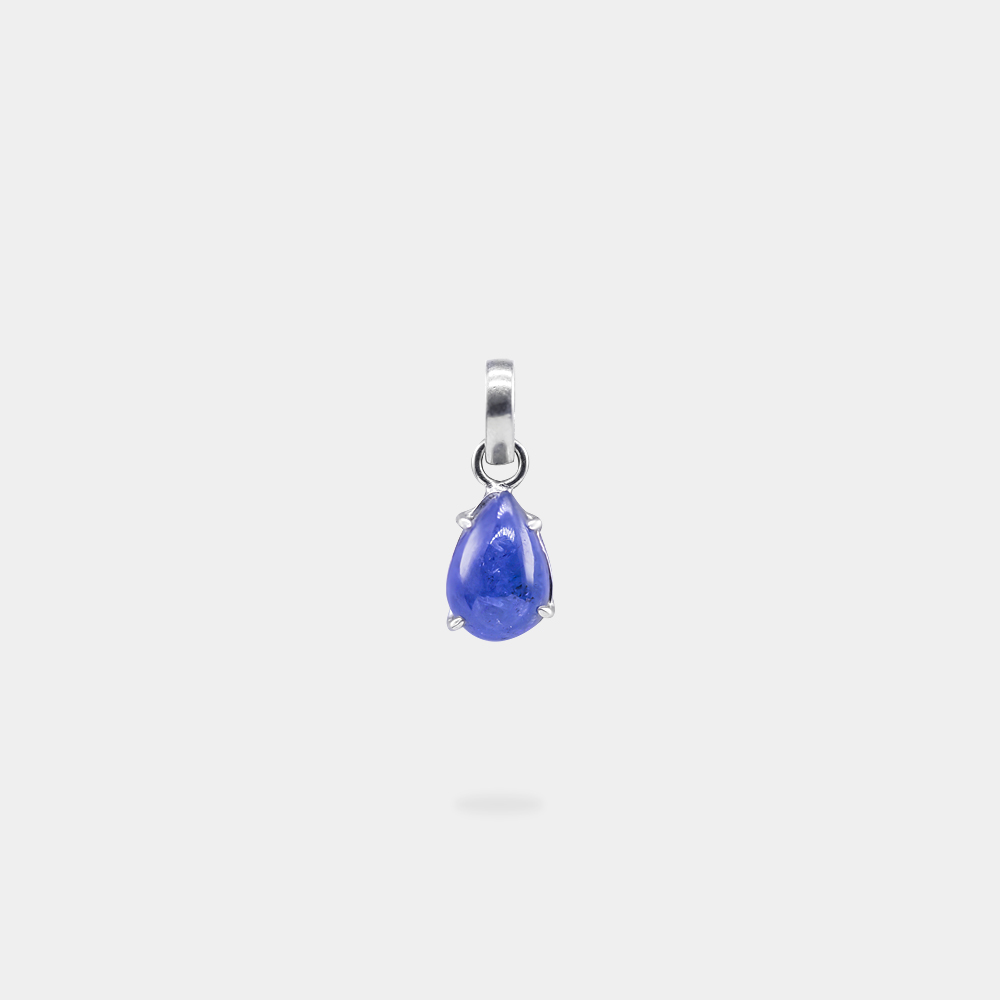
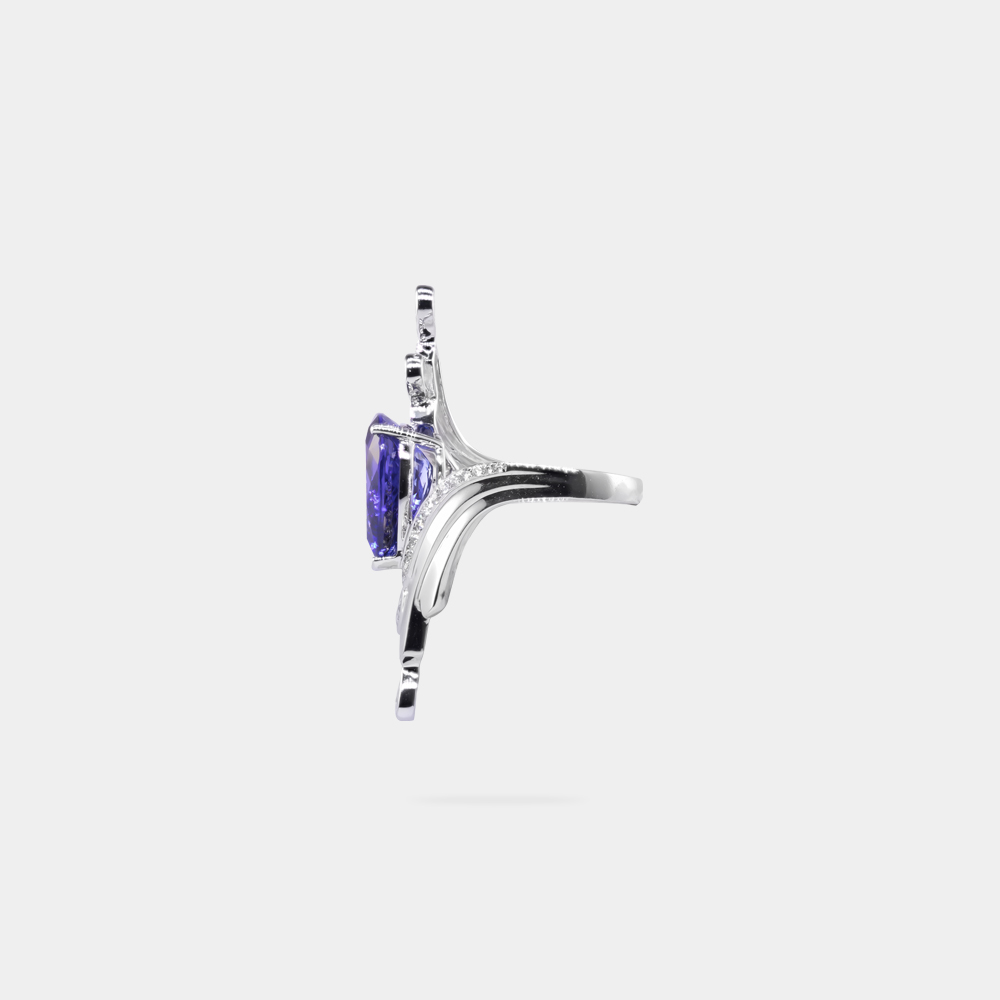
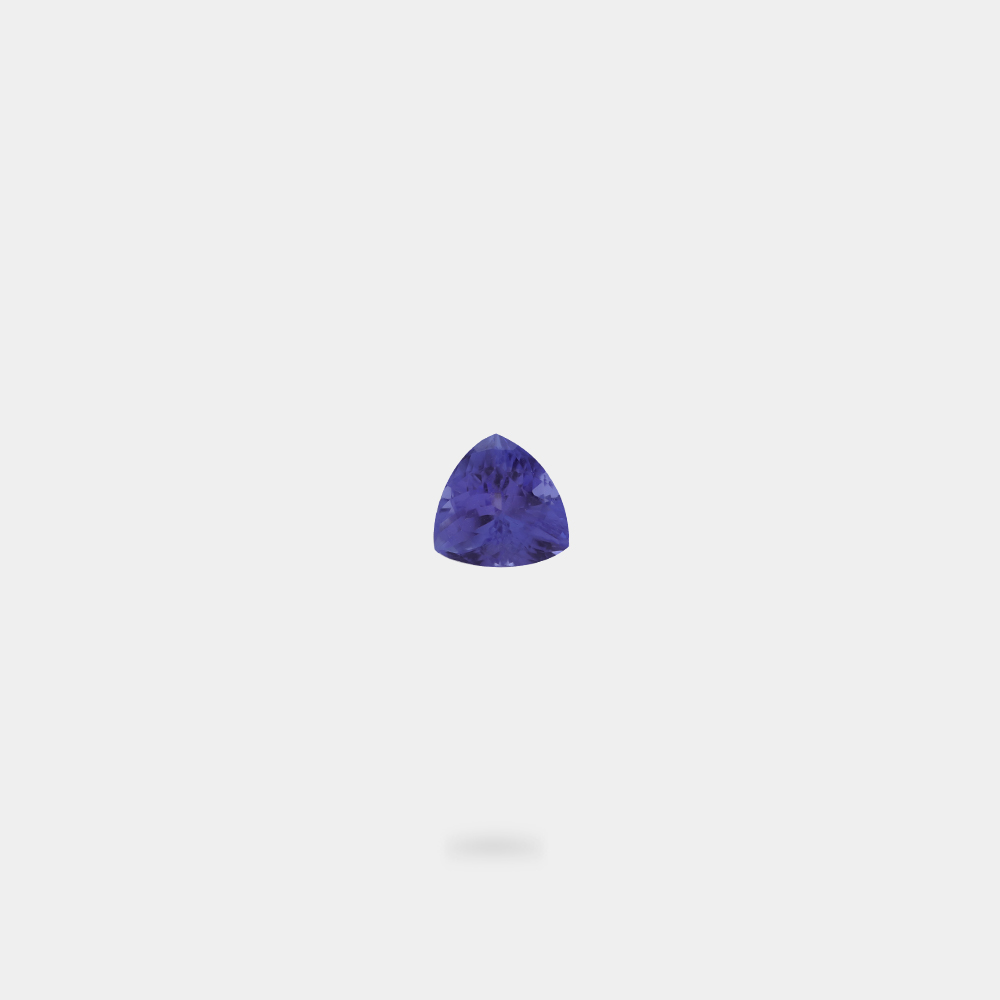
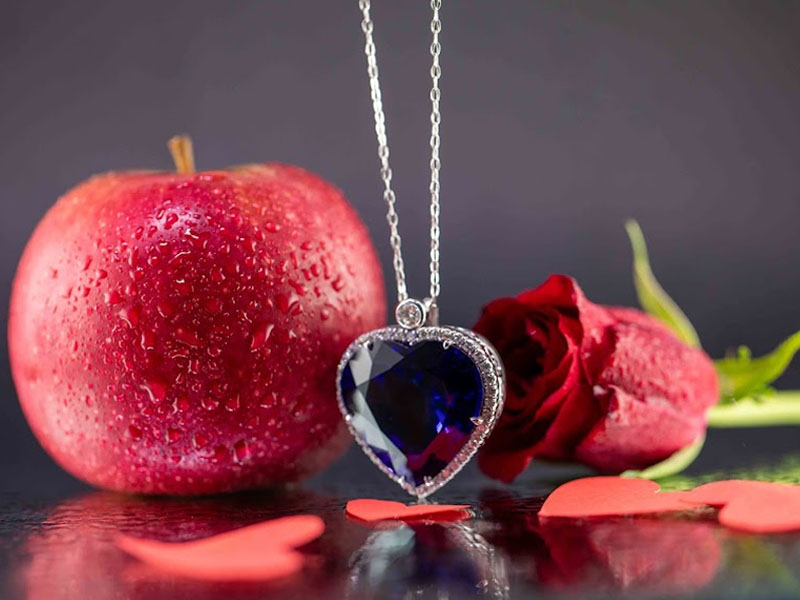
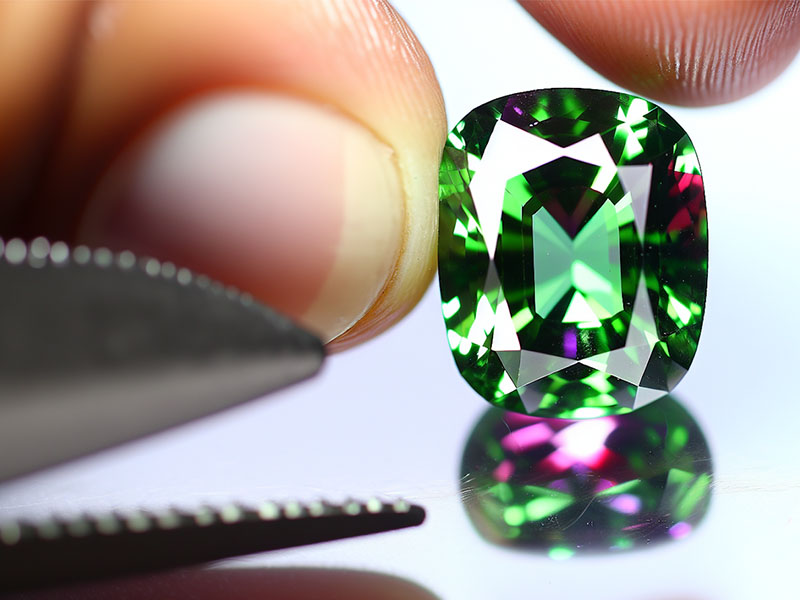
Tanzanite’s exquisite colour is a mix of blue and purple, unlike any other gemstone. The stone's unique combination of blue and purple is due to pleochroism, a property of some gemstones in which different colours are visible when viewed from different crystal directions.
Tanzanite: Colour
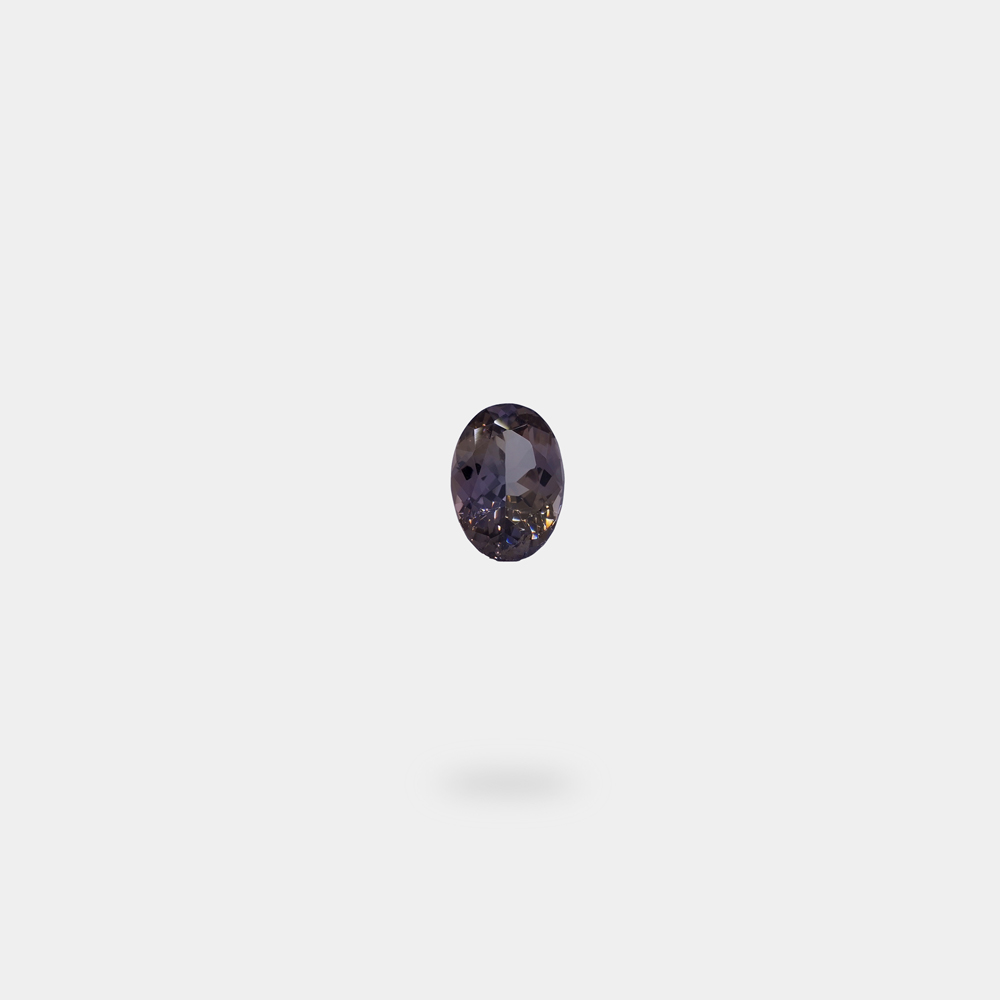
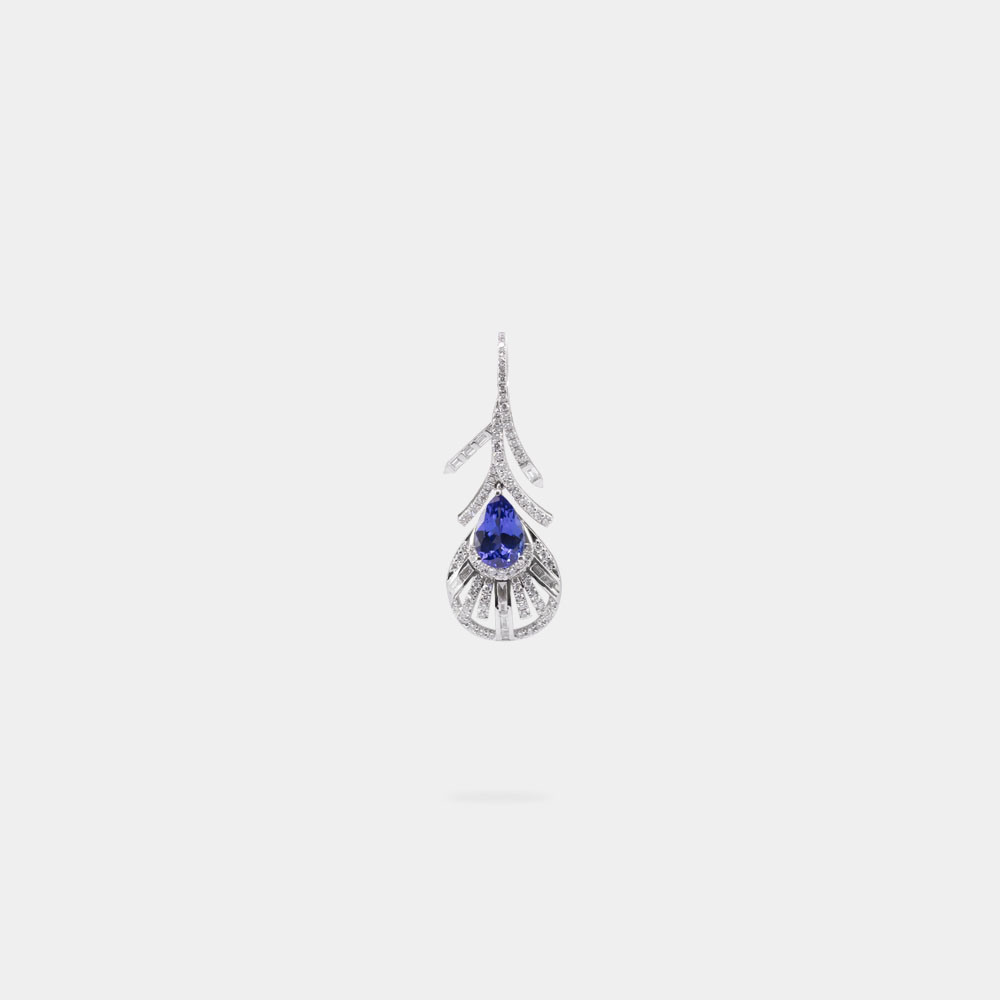
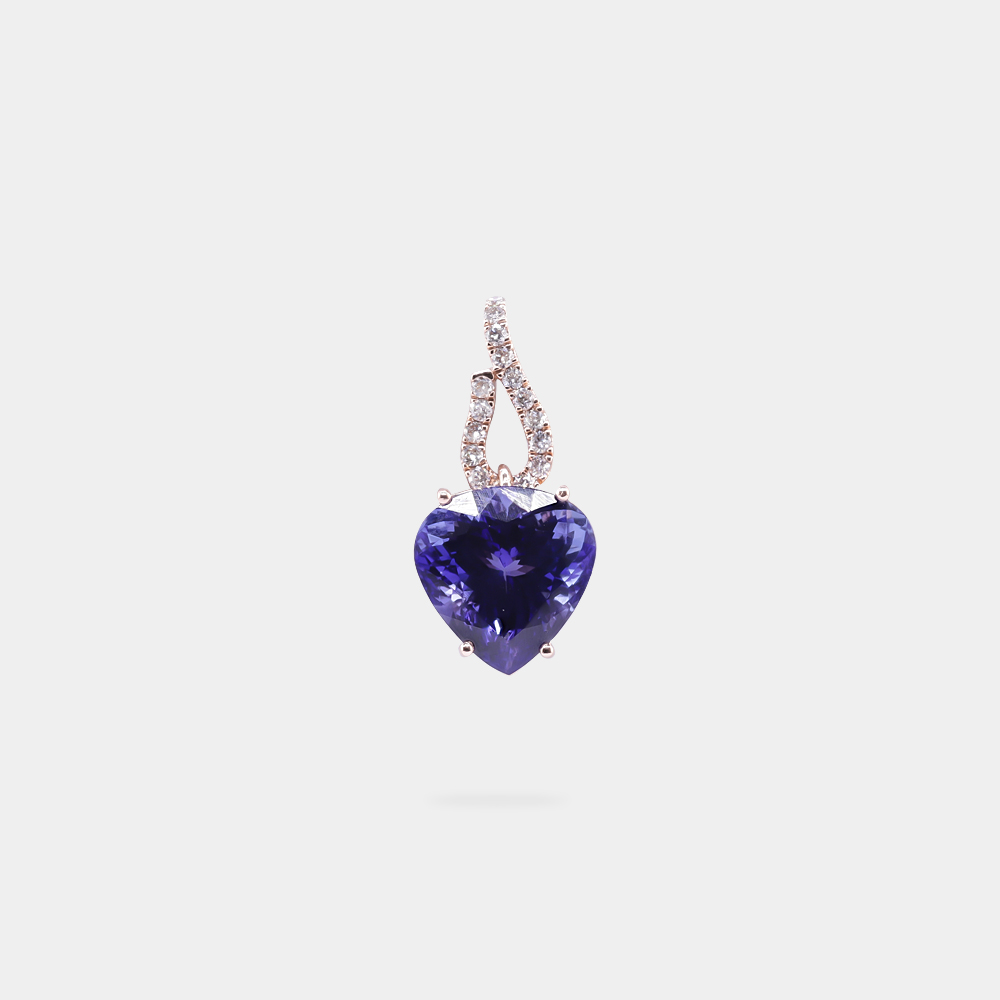
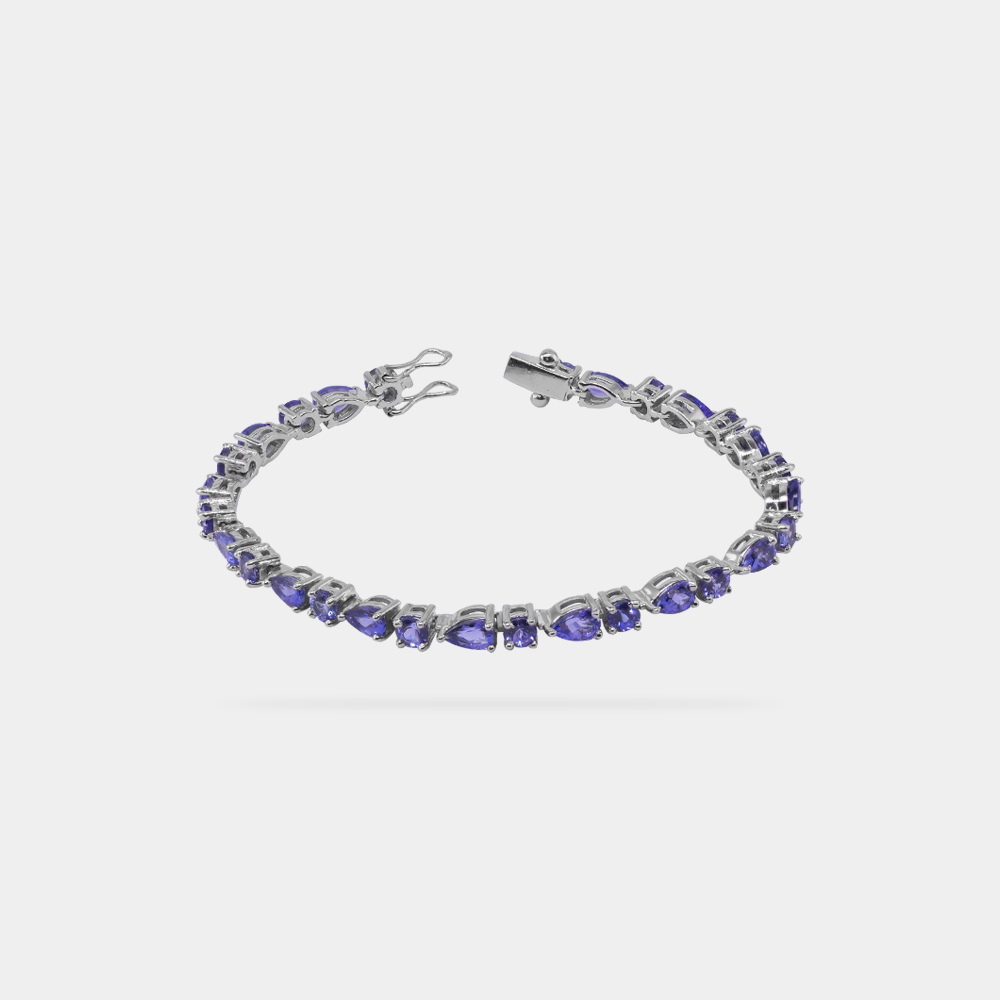
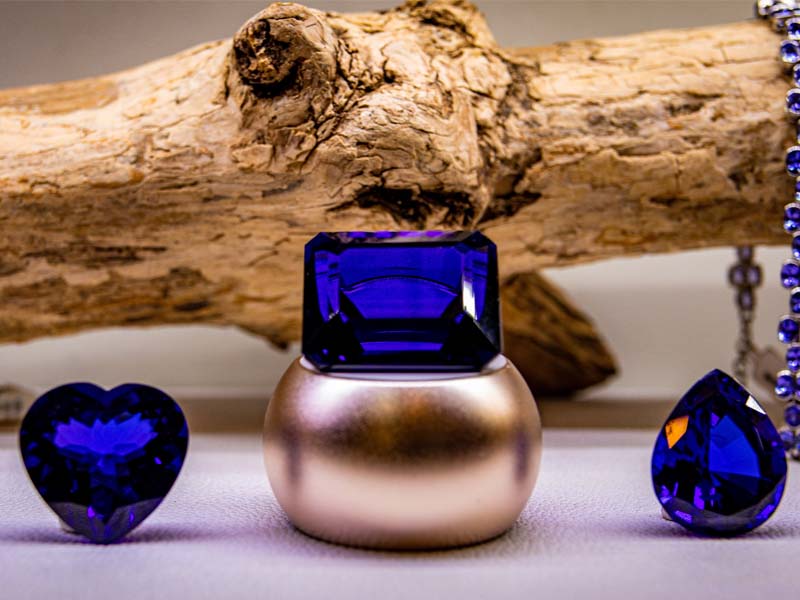
The stones come in a wide and varied range of hues: light blues or lilacs, to deep indigos and violets.
Tanzanite: Colour
Tanzanite is strongly trichroic, which means that when crystals are removed from the earth they radiate three different colours: blue, violet and burgundy, as seen here.
Tanzanite: Colour
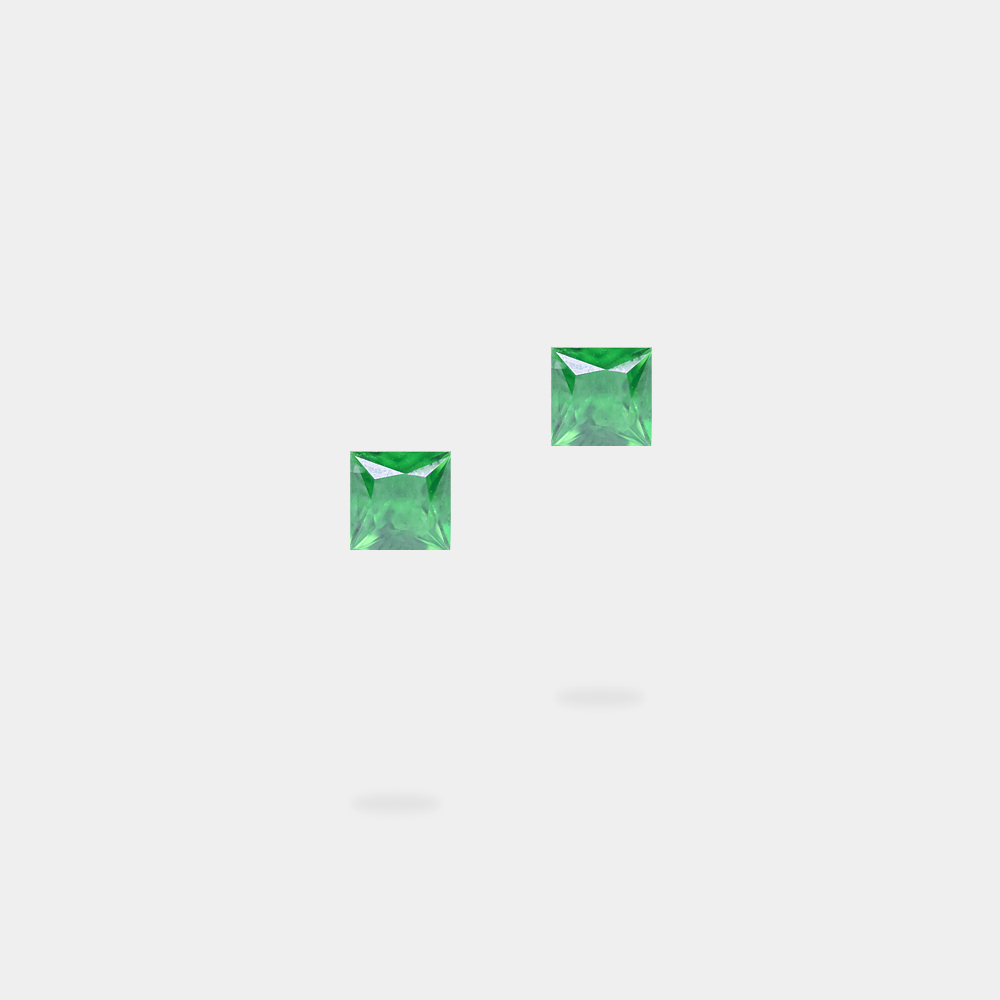
Larger stones tend to exhibit the more vivid colours, while smaller stones typically showcase pastel shades. Matching pairs are always greatly sought after, as it’s unusual to find two stones identical in colour.
Tanzanite: Colour
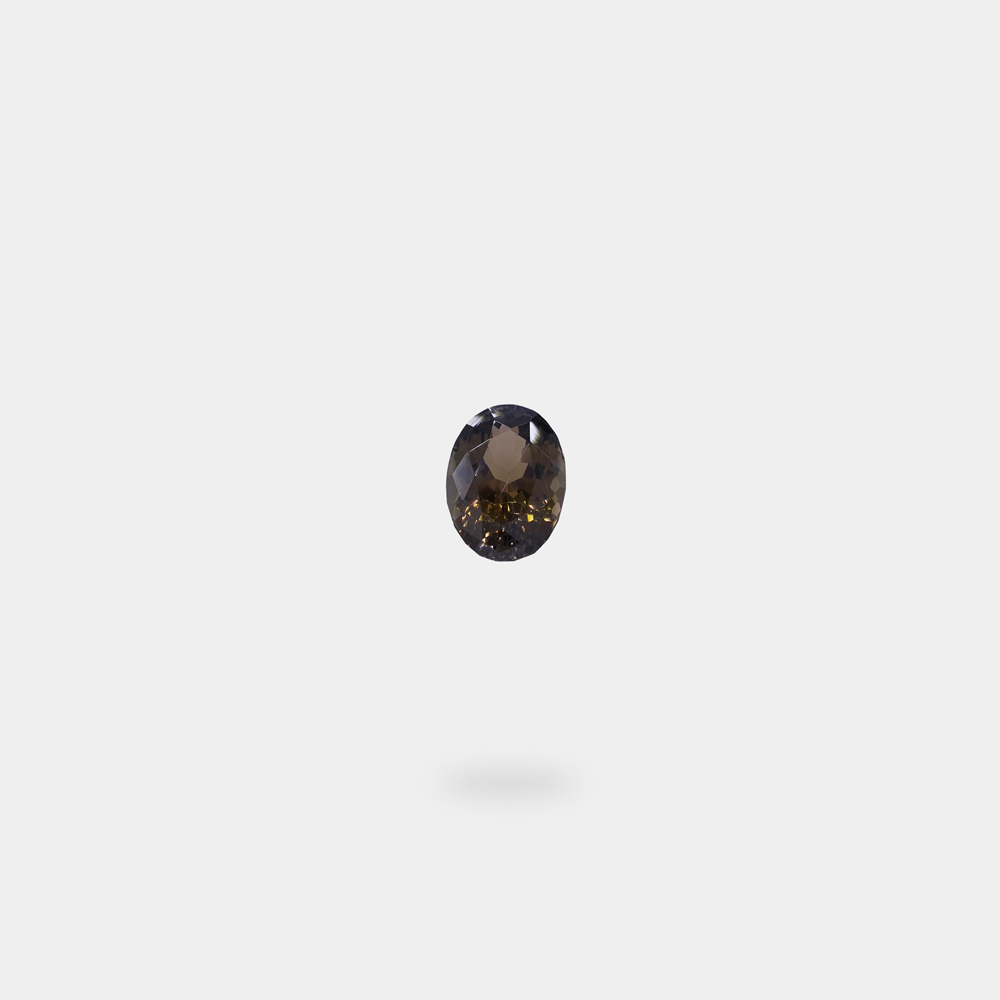
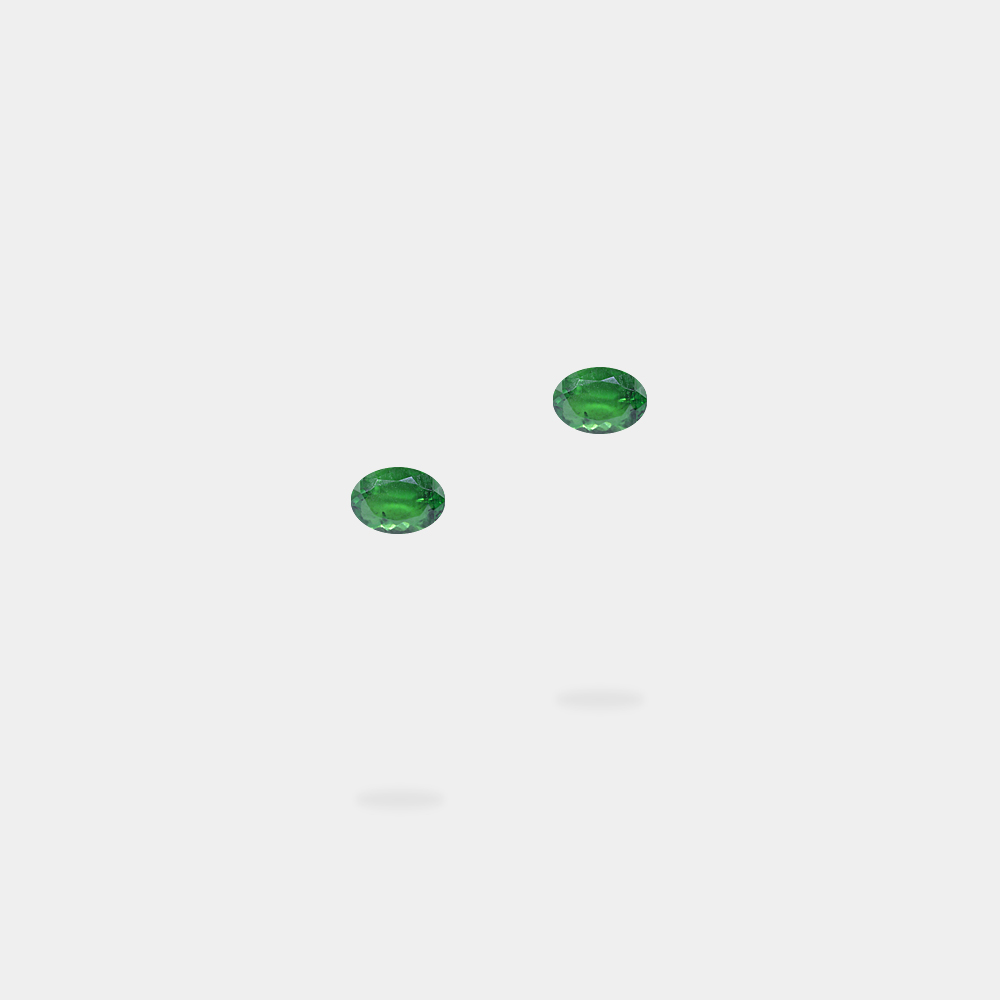
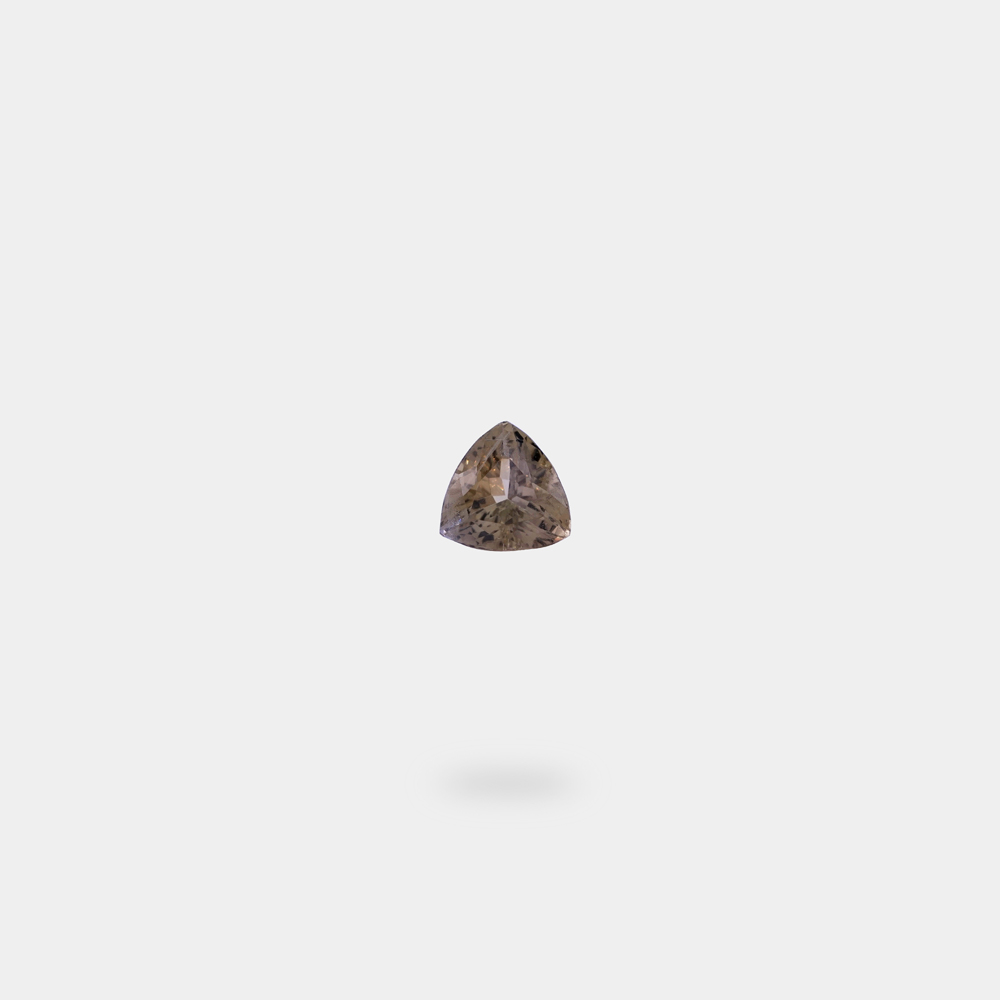
Tanzanite is typically blue or violet-blue, but they can also be rare peacock colours - greenish or greenish-blue. Even more rare are yellows, champagnes and pinks (geologically “Coloured Zoisite”). There is a limited number of these colours available at the Tanzanite Experience.
Tanzanite: Rarity
Beautiful Tanzanite gems are found in only one small area, one place on earth, deep in the foothills of Mount Kilimanjaro (shown here) in Tanzania, East Africa. The nearest town is Arusha and the famous animal filled Ngorongoro Crater is nearby.
Tanzanite: Rarity
The entire area mined is only a tiny four square kilometres wide, and this is divided into four blocks.
Tanzanite: Rarity
Geologist's have shown Tanzanite's geology to be totally unique. The chance of it occurring anywhere else is less than a million to one.
Tanzanite: Rarity
So, Tanzanite is rare in both a gemmological and geographic sense. Its been calculated that Tanzanite is 1000 times rarer than diamonds. True Luxury!
Tanzanite: Rough to Polished
The journey from rough to polished goes through many stages.
Tanzanite: Rough to Polished
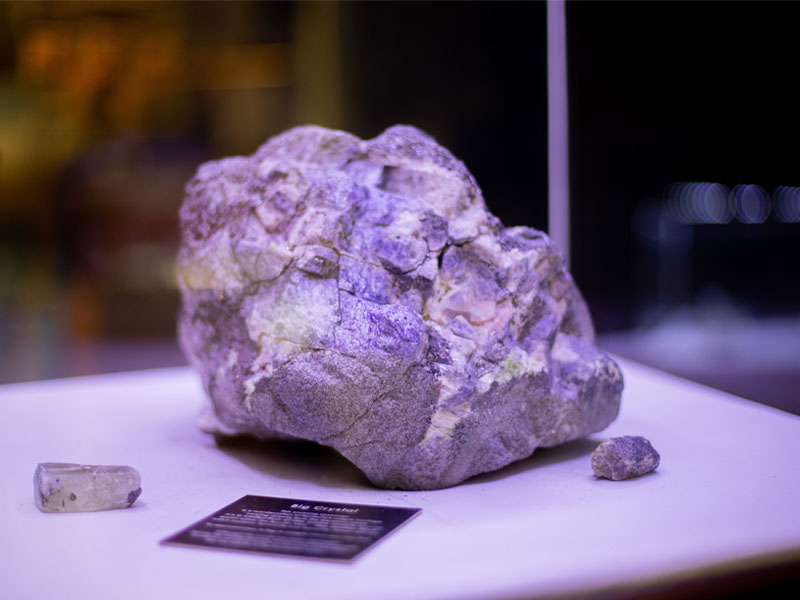
Ever wondered how this gritty rock transforms into a sparkling gemstone? After mining, TanzaniteOne Sort House workers remove the non gemstone material from the rough mined Tanzanite with small, sharp hammers, in a process called “cobbing”.
Tanzanite: Rough to Polished
Grading: The cleaned, rough Tanzanite crystals look like this. Gemstone material that has not been extensively cut and polished is referred to generally as 'rough'. Rough material that has been lightly hammered to knock off brittle, fractured material is said to have been 'cobbed'. The cobbed material is then weighed and sorted into groups based on colour and sizes.
Tanzanite: Rough to Polished
At the lapidary, the gem cutters prepare to cut & polish the stones. They examine the stones, and with a saw make the shape for the finished stone. The shape they choose, round, heart, oval must compliment the natural shape of the rough – otherwise they will cut away and waste precious carats.
Tanzanite: Rough to Polished
These are “performs” the basic shape of the polished and facted gems to come. At this stage you can polish a “window” and see inside the stone to check its clarity.
Tanzanite: Rough to Polished
The preformed stones are attached to a ‘dop stick' with hot wax – securely held in place for the polishing process, but easily removed later.
Tanzanite: Rough to Polished
Pushed against a rapidly spinning wheel called a ‘lap’, the facets start to take shape. The dop stick is attached to the machine at precise angles – so perfect symmetry and mirror image angles can be achieved.
TanzaniteOne Mining
The Main Shaft at TanzaniteOne. Due to their sophisticated approach to mining, Tanzanite One have the deepest purely colour gem stone mining operation world wide. The Deepest current level of extraction over 900m down dip. It can take forty minutes travel to reach the lowest levels.
TanzaniteOne Mining
Tanzanite is found embedded in graphite gneiss rock, the same material which makes up pencil lead. As a result, the miner’s and their equipment are quickly covered in a shiny silver black layer of graphite.
TanzaniteOne Mining
Tanzanite is found in small geological formations called boudins which in effect are deformed, fractured veins. The geology is unique and difficult to understand, enhancing the role of chance in the mining process. Ideally, after a new blast, large Tanzanite crystals will be exposed and removed from the face, as seen here.
TanzaniteOne Mining
TanzaniteOne has over 650 employees; 12 qualified Geologist’s and Mining Engineers. They adhere to international safety standards and boasts a lost time injury rate better than the diamond industry.
TanzaniteOne Mining
“A good day at the office”. Here a mine manager proudly holds one of the worlds largest Tanzanite crystals.
TanzaniteOne Mining
Above ground TanzaniteOne have a modern HMS processing plant and sort house which separate the gem from its host rock and grades it with an optical sorting machine.
TanzaniteOne Mining
In the lapidary, skilled cutters polish the Tanzanite into gemstones with precisely calibrated ‘index machines’ usually used for diamonds, imported from Israel.
TanzaniteOne Mining
At the mine, the environment is raw but beautiful. Mount Meru as seen from the top camp at TanzaniteOne.
TanzaniteOne Mining
Rising to 5895 meters Kilimanjaro’s majestic snow topped peak can be seen above the clouds on most days.
TanzaniteOne Mining
With the environmental management system birds and wildlife are abundant. Ornithologists have recorded more than 80 different bird species at the mine site. Here a weaver bird makes a nest behind the mines guest quarters.